

Keeping your property clean is about more than appearances. Dirt, algae, mildew, and environmental buildup can accumulate on siding, driveways, patios, sidewalks, and other exterior surfaces over time. In Cincinnati, Ohio, seasonal weather changes, rainfall, humidity, and falling leaves can contribute to these problems, making regular exterior maintenance an important part of protecting your property.
Professional pressure washing offers a practical way to remove stubborn buildup and refresh outdoor surfaces. However, homeowners and business owners should understand what the service involves, which surfaces can be cleaned safely, and how to prepare before scheduling an appointment.
What Is Professional Power Washing?
Power washing uses pressurized water to remove dirt, grime, and other contaminants from exterior surfaces. Some systems also use heated water, which can help loosen certain types of grease and stubborn deposits.
Pressure washing and power washing are often used interchangeably, although power washing traditionally refers to equipment that heats the water. Professional cleaning companies select their equipment and methods according to the surface and type of buildup involved.
For example, a concrete driveway may tolerate a higher pressure setting than painted wood siding. Delicate surfaces generally require lower pressure, appropriate cleaning solutions, or a soft-washing technique.
Understanding these differences helps prevent damage while producing a more effective clean.
What to Expect During a Power Washing Appointment
1. Initial Property Assessment
Before cleaning begins, a professional should evaluate the areas you want cleaned. This assessment helps determine the surface materials, the severity of the buildup, and whether there are existing cracks, loose paint, damaged mortar, or other concerns.
The technician may ask about previous cleaning treatments and identify areas that need special attention.
In Cincinnati, properties can have a mixture of brick, concrete, vinyl siding, painted wood, and composite decking. Each material requires a suitable cleaning method, so a one-size-fits-all approach is rarely ideal.
2. Preparation and Protection
Preparation is an important part of exterior cleaning. Depending on the property, the service provider may move lightweight furniture, cover sensitive items, protect nearby plants, and secure electrical equipment.
Homeowners can help by clearing the work area, closing windows, bringing cushions indoors, and moving vehicles away from the cleaning zone.
You should also notify the technician about delicate landscaping, outdoor electrical outlets, loose fixtures, or areas where water could enter the building.
3. Choosing the Right Cleaning Method
Professional cleaners adjust water pressure, spray patterns, equipment, and cleaning products according to the surface.
For instance, concrete driveways and sidewalks may benefit from specialized surface-cleaning attachments that help produce a more consistent result. Vinyl siding, roofing materials, and painted surfaces may require gentler techniques.
Using excessive pressure can damage siding, strip paint, erode softer materials, or force water behind exterior cladding. A qualified technician should prioritize the appropriate method rather than simply using the strongest setting.
4. The Cleaning Process
Once preparation is complete, the technician begins cleaning the agreed-upon areas. Some jobs involve applying a suitable cleaning solution before rinsing, while others rely primarily on water and mechanical cleaning.
The amount of time required depends on the property’s size, the number of surfaces, accessibility, and the severity of the buildup.
A small patio may take considerably less time than a large driveway combined with siding, walkways, and commercial exterior areas. Your provider should explain the expected scope and approximate duration before work begins.
5. Final Inspection
After cleaning, the technician should review the completed areas and identify any remaining stains or concerns.
Some discoloration may not disappear completely because it can result from rust, oil penetration, permanent staining, or material deterioration rather than surface dirt alone.
A final walkthrough gives you an opportunity to discuss the results, confirm which areas were serviced, and ask about any additional maintenance that may be needed.
Which Areas Can Benefit From Power Washing?
Professional exterior cleaning can improve the appearance of several parts of a residential or commercial property.
- Driveways and walkways: Remove accumulated dirt, grime, and certain surface stains.
- Patios and pool decks: Refresh suitable hard surfaces while using methods appropriate for the material.
- Exterior siding: Remove dirt, cobwebs, and organic buildup with a suitable low-pressure approach.
- Fences and decks: Clean compatible materials using pressure and products that will not damage the finish.
- Commercial entrances: Help maintain cleaner sidewalks, entryways, and customer-facing exterior areas.
- Outdoor seating areas: Remove accumulated dirt from suitable furniture and surrounding hard surfaces.
Not every surface should be pressure washed. Roof shingles, fragile masonry, deteriorating wood, and damaged finishes may need alternative cleaning methods or professional repairs first.
How Much Does Power Washing Cost in Cincinnati?
The price of a professional cleaning service depends on several factors, including the total area, surface material, level of contamination, accessibility, and number of services requested.
Some companies charge by the square foot, while others provide project-based estimates or minimum service fees.
When comparing quotes, ask what the price includes. Confirm whether pretreatment, difficult stain removal, plant protection, and cleanup are covered. A detailed estimate makes it easier to compare providers fairly and understand what you are paying for.
Rather than choosing solely on price, consider the provider’s experience, insurance coverage, cleaning methods, communication, and willingness to explain potential risks.
How Often Should You Schedule Exterior Cleaning?
The ideal cleaning frequency depends on the property’s surroundings and exposure to dirt, moisture, shade, and organic growth.
Many homeowners inspect driveways, patios, and siding annually to determine whether cleaning is necessary. Shaded areas or surfaces exposed to heavy traffic may need attention more frequently, while relatively sheltered surfaces may remain clean longer.
Cincinnati’s changing seasons make spring and fall convenient times for many property owners to assess exterior maintenance needs. However, temperature, drying conditions, and the manufacturer’s care recommendations should guide the timing of individual services.
Regular inspections can help you address buildup before it becomes more difficult to remove.
Choosing a Cincinnati Exterior Cleaning Provider
A reliable service provider should explain the cleaning process, identify any surface-specific risks, provide a clear estimate, and answer questions about insurance and experience.
Check recent reviews for details about punctuality, communication, workmanship, and how the company handles customer concerns. It is also helpful to ask whether the company offers separate services for siding, concrete, patios, and windows.
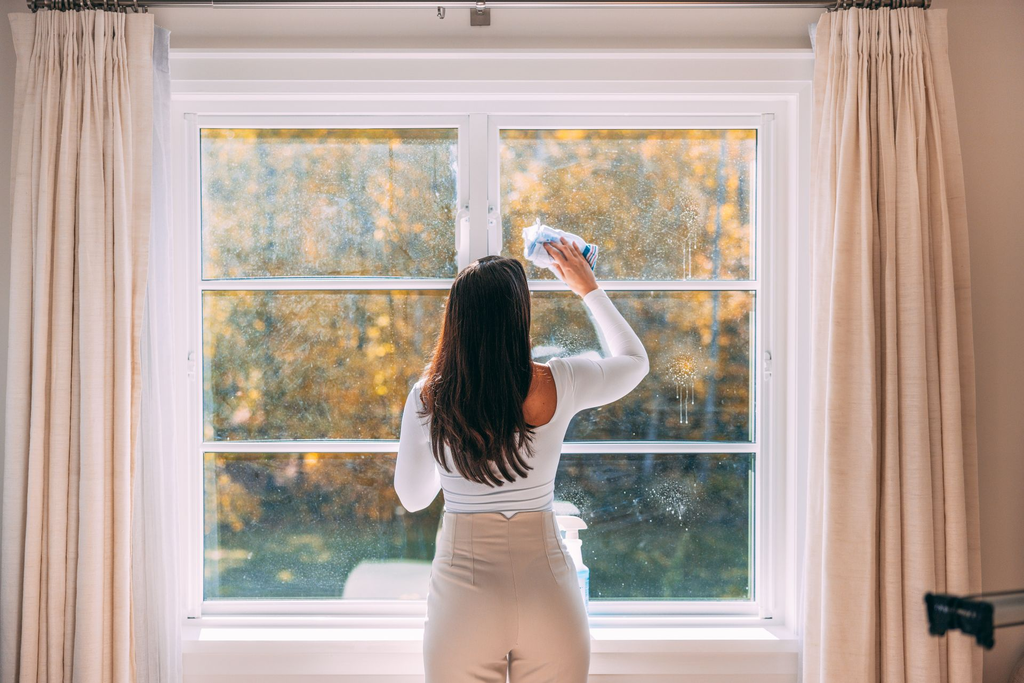
For example, residential window cleaning in Cincinnati may complement an exterior washing appointment when homeowners want both their exterior surfaces and windows refreshed. Window cleaning should be treated as a distinct service because glass requires appropriate tools and cleaning methods to avoid streaks or damage.
After researching local options, homeowners may encounter providers listed under searches such as power washer Cincinnati (Maps). Local reviews can offer useful insight, but they should be evaluated alongside service details and verifiable business information rather than treated as proof of guaranteed results.
Frequently Asked Questions
1. How long does a power washing appointment take?
A small project may take an hour or two, while larger properties or multiple services can require several hours or longer. The time depends on the surface area, buildup, accessibility, and cleaning method.
2. Can power washing damage my home’s exterior?
Yes, if excessive pressure or an unsuitable technique is used. Professional cleaners should adjust their methods to the material and may recommend soft washing for delicate surfaces.
3. Do I need to be home during the service?
Not always. You should arrange access beforehand, communicate special instructions, and confirm how the provider will handle the final inspection and payment.
4. Is power washing effective against mold and algae?
Appropriate cleaning methods can remove many forms of surface algae and organic buildup. However, the underlying cause of recurring moisture should also be addressed to help prevent regrowth.
5. Is power washing safe for windows?
High-pressure washing directly against window glass, seals, or frames can cause damage. Windows should be cleaned using appropriate methods designed for glass and the surrounding materials.
Conclusion
Professional power washing can help Cincinnati homeowners and businesses maintain cleaner driveways, patios, siding, walkways, and other exterior surfaces. Knowing what to expect from the initial inspection and surface preparation to the final walkthrough makes it easier to choose the right service and prepare your property.
The key is selecting a provider that understands different materials, uses appropriate cleaning methods, and communicates clearly about pricing and results. By combining periodic inspections with careful exterior maintenance, property owners can improve curb appeal while helping preserve the condition of their outdoor spaces.