

Buying a used car can be a practical way to get reliable transportation without paying the higher price of a new vehicle. For drivers in Nova Scotia, purchasing a pre-owned vehicle offers plenty of options, from fuel-efficient sedans for daily commuting to SUVs suited for family trips and changing winter conditions.
However, finding the right vehicle involves more than comparing prices and choosing a model you like. Buyers should understand vehicle history reports, provincial registration requirements, inspection considerations, financing options, and the effects of Atlantic Canada’s climate on vehicle condition.
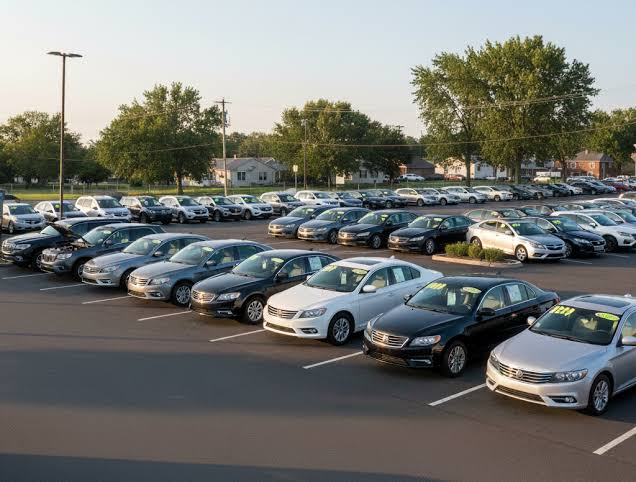
Whether you are shopping in Halifax, Dartmouth, Sydney, or another Nova Scotia community, knowing what to look for can help you make a confident and informed purchase.
1. Determine Your Budget Before Shopping
Before browsing dealership listings, establish how much you can comfortably afford. The purchase price is only one part of the total cost of owning a vehicle.
Consider these expenses when planning your budget:
- Insurance: Premiums vary depending on the vehicle, driver history, location, and coverage.
- Fuel: A smaller sedan may cost less to operate than a larger SUV or truck.
- Maintenance and repairs: Older vehicles may require more frequent servicing.
- Registration and applicable taxes: Include provincial registration costs and taxes when calculating your total.
- Financing: If you plan to borrow money, compare interest rates, loan terms, and the total amount repayable.
For example, a vehicle with a lower purchase price may not be the most affordable choice if it needs expensive repairs or consumes significantly more fuel.
Requesting an insurance quote before committing to a vehicle can also prevent unexpected expenses.
2. Choose a Vehicle That Suits Nova Scotia Driving Conditions
Nova Scotia’s driving environment should influence your vehicle choice. Drivers may encounter heavy rain, coastal conditions, icy roads, snow, and changing temperatures throughout the year.
Sedans and Compact Cars
Compact cars are often suitable for commuting, city driving, and everyday errands. Their fuel efficiency can help reduce operating costs, particularly for drivers who regularly travel between work, school, and home.
SUVs and Crossovers
SUVs and crossovers offer additional cargo space and flexibility for families, outdoor activities, and longer road trips. Many models also provide available all-wheel drive, which can be useful in certain winter driving conditions.
However, all-wheel drive does not replace appropriate winter tires or safe driving practices.
Trucks and Larger Vehicles
Pickup trucks may be useful for towing, transporting equipment, or handling work-related tasks. Buyers should compare fuel consumption, insurance costs, maintenance needs, and towing specifications before choosing a larger vehicle.
The right option ultimately depends on your driving habits, budget, parking situation, and everyday transportation needs.
3. Check the Vehicle History Before Buying
A vehicle’s appearance does not always reveal its full history. Before purchasing a used car, request a vehicle history report and review any available maintenance records.
A report may provide information about reported collisions, registration history, odometer records, outstanding liens, and previous ownership, depending on the reporting service and available records.
In Canada, buyers can consider services such as CARFAX Canada to investigate a vehicle’s background.
Pay particular attention to the following:
- Whether the recorded mileage appears consistent.
- Whether collision or structural damage has been reported.
- Whether the vehicle has a history of regular maintenance.
- Whether there are outstanding financial liens.
- Whether the vehicle’s identification number (VIN) matches its documentation.
Remember that a clean history report does not guarantee that a vehicle has never been damaged. Some incidents and repairs may not appear in the available records.
4. Understand Rust and Corrosion Risks
Rust deserves special attention when buying used cars in Nova Scotia. Winter road salt, moisture, and coastal conditions can contribute to corrosion over time.
During an inspection, pay attention to the underside of the vehicle, wheel arches, rocker panels, door edges, suspension components, and areas around the trunk or hatch.
Surface rust may be manageable, but significant corrosion affecting structural components can create safety concerns and expensive repair bills.
Ask the seller about rustproofing treatments and previous corrosion repairs. Because some rust develops in areas that are difficult to see, an independent mechanic should inspect the vehicle before you finalize the purchase.
5. Arrange an Independent Mechanical Inspection
Even if a vehicle looks clean and drives well, hidden mechanical problems may exist.
A pre-purchase inspection by an independent mechanic can help identify issues involving the engine, transmission, brakes, suspension, steering, exhaust system, tires, and electrical components.
The mechanic can also look for signs of fluid leaks, previous accident repairs, and corrosion.
During a test drive, pay attention to unusual noises, warning lights, steering problems, vibration, braking performance, and transmission behaviour. Test the vehicle under ordinary driving conditions where it is safe to do so.
If the seller refuses a reasonable independent inspection, consider that a warning sign.
6. Review Nova Scotia’s Registration and Inspection Requirements
Before completing a purchase, confirm the provincial requirements that apply to the specific vehicle and transaction.
Buyers should verify the ownership documents, VIN, registration process, and any applicable safety inspection requirements. Ask whether the vehicle has a current, valid motor vehicle inspection and confirm its status rather than assuming that a recent inspection eliminates all mechanical concerns.
You should also investigate whether the vehicle has an outstanding lien and ensure that any financing or ownership issues are resolved before payment.
For current rules and procedures, consult Nova Scotia’s official government website or Access Nova Scotia.
7. Compare Dealerships, Private Sellers, and Financing Options
Used vehicles are available through dealerships and private sellers, and each option has different considerations.
A dealership may offer financing options, vehicle history information, trade-in services, and certain warranty arrangements. A private seller may offer a different selection of vehicles, but buyers should independently verify documentation, vehicle condition, and transaction requirements.
Regardless of the seller, request a written breakdown of the total purchase price, including applicable fees, taxes, and optional products.
If financing is involved, compare the annual percentage rate, loan duration, monthly payments, and total interest payable. A lower monthly payment can still result in a more expensive purchase if the loan term is significantly longer.
8. Find a Used Car With Confidence
A well-informed buying process makes it easier to compare vehicles based on condition, practicality, and long-term costs rather than appearance alone.
Used cars in Nova Scotia offer value and flexibility for drivers with different budgets and transportation needs. When exploring available options, Carlantic can be a useful starting point for shoppers seeking expert guidance and vehicle history information they can verify. Buyers should still review the specific vehicle’s documentation, confirm the availability of any promised history reports, and arrange an independent inspection when appropriate.
Taking time to ask questions and verify important details can help you avoid costly surprises after purchase.
Frequently Asked Questions
1. What should I check before buying a used car in Nova Scotia?
Review the vehicle history, service records, VIN, ownership documents, corrosion, mileage, and overall mechanical condition. Arrange an independent inspection and verify any applicable registration and safety inspection requirements.
2. Are used SUVs a good choice for Nova Scotia winters?
An SUV may suit drivers who need extra space or ground clearance, but winter performance depends on several factors. Proper winter tires, vehicle condition, and safe driving habits are essential regardless of vehicle type.
3. How can I check whether a used car has been in an accident?
Request a vehicle history report and review available repair records. An independent mechanic or qualified collision repair professional can also look for signs of previous damage. No single report can guarantee a complete accident history.
4. Is it better to buy from a dealership or a private seller?
Both options can work. Compare the vehicle’s condition, documentation, total price, available warranties, financing terms, and the seller’s willingness to permit an independent inspection.
5. Do used cars in Nova Scotia need a safety inspection?
Inspection requirements depend on the vehicle and applicable provincial rules. Confirm the vehicle’s inspection status and current requirements with Nova Scotia’s official government resources before completing the transaction.
Conclusion
Buying a used car in Nova Scotia can be a sensible way to meet your transportation needs while managing your budget. The key is to look beyond the advertised price and evaluate the vehicle’s history, mechanical condition, corrosion risks, ownership documents, and expected running costs.
By arranging an independent inspection, comparing financing offers, and verifying provincial requirements, you can make a more informed decision and reduce the risk of unexpected expenses.
Whether you need an economical commuter car, a family SUV, or a dependable vehicle for longer drives across the province, careful research will help you choose a vehicle that fits your lifestyle and budget.