

A swimming pool is a wonderful addition to any Rockledge home, especially in Florida, where warm temperatures make outdoor swimming enjoyable throughout much of the year. However, maintaining a clean, safe, and inviting pool requires consistent attention. Between intense sunlight, frequent rain, falling leaves, insects, and everyday use, residential pools can quickly accumulate debris and develop water quality problems.
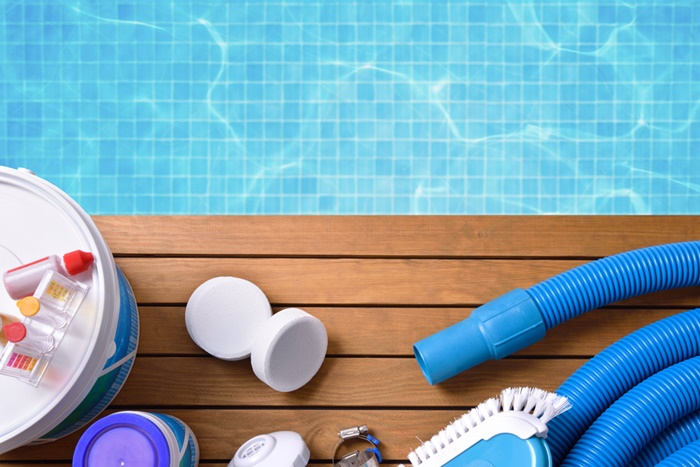
For Rockledge homeowners, regular pool maintenance is essential to protect pool equipment, prevent algae growth, and maintain healthy swimming conditions. Whether you handle basic maintenance yourself or hire a professional, understanding the fundamentals of pool cleaning can help you keep your backyard oasis in excellent condition.
Here are practical residential pool cleaning tips to help maintain your pool throughout the year.
1. Skim the Pool Surface Regularly
One of the simplest ways to maintain a clean swimming pool is by removing floating debris. Leaves, grass clippings, insects, and other particles can collect on the water’s surface, particularly after windy weather or heavy rainfall.
Use a pool skimmer net to remove visible debris at least several times a week. During Florida’s rainy and windy seasons, you may need to skim your pool daily to prevent organic materials from sinking to the bottom.
Regular skimming also helps reduce the workload on your filtration system. When leaves and debris remain in the water for extended periods, they can break down and affect water quality.
2. Brush Pool Walls and Floors
Even when the water looks clean, algae, dirt, and mineral deposits can accumulate along pool walls, steps, corners, and floors. These areas are often overlooked during routine cleaning.
Use a pool brush designed for your pool’s surface material. Brush the walls, steps, waterline, and floor at least once a week. Pay special attention to shaded areas and corners where algae can develop more easily.
Consistent brushing loosens buildup and allows the filtration system to capture suspended particles. It also helps prevent stubborn stains and slippery surfaces that could create safety concerns.
3. Maintain Proper Water Chemistry
Balanced pool water is essential for swimmer comfort, sanitation, and equipment protection. Florida’s heat and strong sunlight can cause chlorine levels to fluctuate, while heavy rainfall may dilute chemicals and change the water’s pH.
Homeowners should regularly test their pool water using a reliable testing kit or digital water tester.
Important water chemistry levels to monitor include:
- Chlorine: Generally 1–3 parts per million (ppm) for residential pools.
- pH: Ideally between 7.2 and 7.8.
- Total alkalinity: Generally 80–120 ppm.
- Calcium hardness: Commonly 200–400 ppm, depending on the pool surface and manufacturer recommendations.
Test your water at least two to three times weekly during periods of heavy use or changing weather. Adjust chemicals according to test results and product instructions rather than adding them randomly.
Proper chemical balance helps prevent cloudy water, algae growth, corrosion, and scaling.
4. Clean the Pool Filter and Pump Basket
Your pool’s filtration system plays a major role in keeping the water clear. It removes dirt, small debris, and other contaminants that cannot be collected through ordinary skimming.
Check the pump basket regularly and remove accumulated leaves and debris. A clogged basket can restrict water circulation and put unnecessary strain on the pump.
Pool filters also require periodic maintenance. Depending on the type of filter installed, cleaning may involve backwashing, rinsing, or replacing filter cartridges.
Pay attention to the manufacturer’s recommended cleaning schedule and pressure readings. A sudden increase in filter pressure can indicate that the filter needs attention.
Never open a pressurized filter or pump system without following the manufacturer’s safety and shutdown procedures.
5. Keep Water Circulating Properly
Good circulation distributes chemicals throughout the pool and helps prevent stagnant areas where algae and bacteria may develop.
Most residential swimming pools benefit from running the circulation system approximately 8–12 hours daily, although the ideal schedule depends on pool size, pump capacity, weather, and usage.
Check that return jets are functioning properly and positioned to encourage consistent water movement. If you notice weak circulation, unusual pump noises, or cloudy water, inspect the system for possible blockages or equipment problems.
Variable-speed pumps can also help homeowners manage energy consumption while maintaining adequate circulation.
6. Pay Attention to Florida’s Weather Conditions
Rockledge homeowners experience hot summers, high humidity, afternoon thunderstorms, and occasional tropical weather. These conditions can significantly affect pool cleanliness.
Heavy rainfall may introduce dirt, organic debris, and contaminants into the water. It can also change chemical levels and increase the risk of algae growth.
After storms, consider these maintenance steps:
- Remove leaves, branches, and floating debris.
- Empty skimmer and pump baskets.
- Check water levels and adjust them if necessary.
- Test chlorine, pH, and alkalinity.
- Inspect the pool deck and surrounding area for dirt and debris.
- Check the filtration system for unusual performance.
During hurricane season, secure loose pool equipment and outdoor furniture. Follow appropriate pool equipment shutdown procedures when severe weather is approaching.
7. Schedule Professional Pool Cleaning Services
Although regular DIY maintenance can help keep your pool in good condition, professional cleaning provides additional support for homeowners who want consistent results.
Professional residential pool cleaning in Rockledge ensures proper chemical balance and debris removal. Homeowners can rely on experienced technicians to inspect pool equipment, clean hard-to-reach areas, monitor water chemistry, and identify potential problems before they become expensive repairs.
For dependable pool maintenance, consider Always Clear Pool Cleaning when looking for professional assistance with keeping your residential swimming pool clean and properly maintained.
A professional maintenance schedule can be particularly helpful for busy homeowners, families who frequently use their pools, and properties surrounded by trees or landscaping that produces substantial debris.
8. Maintain the Pool Deck and Surrounding Area
Pool cleanliness does not depend on the water alone. The surrounding deck, landscaping, and outdoor furniture can also affect overall pool hygiene.
Dirt, grass clippings, leaves, and other materials can easily enter the water when the surrounding area is neglected.
Sweep or rinse the pool deck regularly, trim nearby plants, and keep outdoor furniture clean. Avoid using excessive cleaning chemicals near the pool because runoff can affect water chemistry.
Maintaining a clean pool environment also improves the appearance and safety of your outdoor living space.
Frequently Asked Questions
1. How often should residential pools be cleaned in Rockledge, Florida?
Most residential pools benefit from weekly cleaning. This typically includes skimming, brushing, vacuuming, emptying baskets, and checking water chemistry. Additional cleaning may be necessary after storms or periods of heavy swimming activity.
2. How often should I test my swimming pool water?
Test your pool water at least two to three times weekly during periods of regular use. Check chlorine and pH more frequently when temperatures are high, after heavy rainfall, or following large gatherings.
3. Why does my swimming pool turn green?
Green pool water is commonly caused by algae growth. Low chlorine levels, poor circulation, inadequate filtration, and unbalanced water chemistry can contribute to the problem. Testing and correcting the water chemistry is essential to restoring clear water.
4. How long should I run my pool pump each day?
Many residential pools require approximately 8–12 hours of circulation daily. However, the ideal runtime depends on pool volume, pump capacity, weather conditions, and swimming frequency.
5. Is professional pool cleaning worth the investment?
Yes. Professional pool cleaning helps maintain consistent water chemistry, prevent equipment problems, and reduce the time homeowners spend on routine maintenance. It can also help identify developing issues before they require costly repairs.
6. Should I clean my pool after heavy rainfall?
Yes. Heavy rainfall can introduce debris, dilute chemicals, and affect water balance. Skim the surface, empty baskets, inspect the filtration system, and test the water before swimming.
Conclusion
Keeping a residential swimming pool clean in Rockledge requires regular maintenance, proper water chemistry, and attention to Florida’s changing weather conditions. Simple habits such as skimming debris, brushing pool surfaces, cleaning filters, and monitoring chemical levels can make a significant difference in maintaining clear and healthy water.
While homeowners can handle many routine cleaning tasks, professional maintenance offers added convenience and helps protect valuable pool equipment. By following these practical tips and establishing a consistent cleaning schedule, Rockledge homeowners can enjoy a beautiful, comfortable, and well-maintained swimming pool throughout the year.