

In a physical marketplace flooded with visual noise, capturing immediate attention from vehicular commuters and foot traffic requires more than static signage. Static lettering and plastic reader boards with manually swapped plastic letters are increasingly obsolete, unable to keep pace with rapid promotion cycles, seasonal campaigns, and real-time public updates. To stay competitive, forward-thinking businesses, educational institutions, and civic organizations are turning to dynamic LED digital displays.
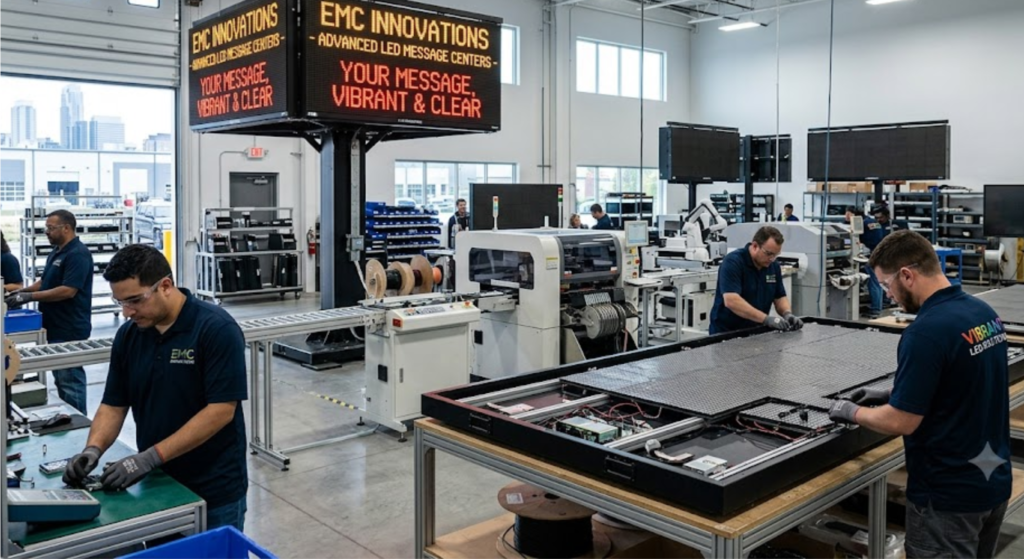
Electronic Message Centers (EMCs) represent one of the most versatile and high-ROI investments an organization can make for its physical location. However, a digital display is only as reliable as the technology and structural engineering powering it. Working directly with specialized electronic message center manufacturers pairs strong visual design with durable engineering, making sure your sign performs under weather, time, and customer traffic.
Below are the top applications driving the rapid adoption of custom Electronic Message Centers across commercial and public sectors.
1. Dynamic Retail Promotions and Real-Time Price Updates
For brick-and-mortar retailers, shopping centers, and automotive dealerships, driving impulse street traffic is directly tied to top-line revenue. EMCs transform a business facade into a high-definition, programmable media channel that can broadcast multiple promotional messages in rotation throughout the day.
Instead of paying recurring printing costs for temporary banners, retailers use cloud-based software to schedule time-sensitive offers instantly:
- Morning Rush: Highlight breakfast specials, daily doorbusters, or early-bird service packages.
- Afternoon Peak: Flash flash sales, clearance event countdowns, or seasonal arrival highlights.
- Evening Hours: Display high-contrast brand imagery, financing offers, and business hours.
Because commercial LED sign manufacturers build displays with automated light sensors, these screens auto-adjust brightness levels to maintain optimal contrast in harsh midday sunlight while preventing blinding glare at night.
2. Educational Institutions and Campus Communication
K-12 school districts, private academies, and university campuses utilize electronic message boards as centralized communication hubs. Positioned near main property entrances or major roadways, EMCs keep students, parents, faculty, and local residents continuously informed.
┌─────────────────────────────────────────────────────────────────────────────┐
│                   CAMPUS DYNAMIC MESSAGING SCHEDULE                         │
├──────────────────────────────┬──────────────────────────────────────────────┤
│ Time Frame                   │ Scheduled Content Broadcast                  │
├──────────────────────────────┼──────────────────────────────────────────────┤
│ **7:00 AM – 9:00 AM**        │ Morning drop-off directional guidance, car- │
│                              │ pool lane reminders, and daily bell schedules.│
├──────────────────────────────┼──────────────────────────────────────────────┤
│ **12:00 PM – 4:00 PM**       │ Extracurricular announcements, athletic game  │
│                              │ schedules, and PTA meeting alerts.          │
├──────────────────────────────┼──────────────────────────────────────────────┤
│ **5:00 PM – 10:00 PM**       │ Evening adult education classes, community    │
│                              │ theater events, and weekend game scores.    │
└──────────────────────────────┴──────────────────────────────────────────────┘
By scheduling automated playlists, administrators can announce registration deadlines, highlight student achievements, showcase athletic schedules, and broadcast crucial campus safety notices without manual board changes.
3. Civic Messaging and Public Safety Integration
Municipalities, fire stations, law enforcement headquarters, and public transit hubs rely heavily on heavy-duty electronic message centers for public service outreach. Unlike commercial advertising displays, civic signage must offer absolute reliability, operating continuously during severe weather events and power fluctuations.
[ Central Emergency Operations ] ──► [ Encrypted Cloud Network ] ──► [ Outdoor EMC Display Network ]
                                                                               │
                                                                               ├──► AMBER & Silver Alerts
                                                                               ├──► Severe Weather Advisories
                                                                               └──► Road Closure / Detour Routes
Premier EMC manufacturers integrate direct Emergency Alert System (EAS) protocols into sign controllers. This feature enables emergency managers to override scheduled municipal announcements instantly to display critical community warnings, such as:
- Real-time AMBER Alerts and missing person broadcasts.
- Severe weather warnings, evacuation routes, and shelter locations.
- Boil water advisories, road closures, and seasonal parking bans.
4. Places of Worship and Community Outreach
Houses of worship use electronic message boards as digital gateways to welcome visitors and connect with the broader community. A well-placed, tastefully designed monument sign featuring an integrated LED message center allows religious organizations to share inspirational messages, service schedules, sermon series topics, and youth group events.
By replacing dated manual letter boards with full-color or monochrome digital displays, organizations project a modern, welcoming presence while drastically reducing the physical labor and safety risks associated with manually changing letters in winter weather.
Technical Specifications: Choosing the Right EMC Configuration
When evaluating electronic message center manufacturers, understanding key engineering specifications ensures you select a cabinet and pixel matrix tailored to your site’s physical layout:
| Engineering Spec | Operational Function | Best Application |
| Pixel Pitch (6mm – 10mm) | The distance between individual LED clusters; smaller pitch delivers higher image resolution. | Ideal for slow-moving traffic, pedestrian corridors, and close-range viewing. |
| Pixel Pitch (12mm – 16mm+) | Broader spacing designed for long-distance legibility. | Best for highway pylon signs and high-speed arterial roadway viewing. |
| Full-Color RGB (3-in-1) | Displays millions of vibrant colors, video clips, and complex graphics. | Essential for retail, automotive dealers, and corporate branding. |
| Monochrome (Amber/Red) | High-contrast single-color text displays optimized for pure message readability. | Preferred for municipal public works, transit centers, and simple text updates. |
5. Industrial Facilities, Logistics Hubs, and On-Site Safety
Electronic message centers are not limited to exterior roadside applications; they are increasingly deployed across large industrial parks, manufacturing plants, and distribution centers.
In high-volume logistics environments, interior and exterior LED displays streamline site navigation and workplace safety:
- Driver Directional Guidance: Direct incoming freight carriers to specific loading bays, reducing yard congestion and idle times.
- Real-Time Safety Metrics: Display consecutive safe work-day tallies, facility speed limits, and shift announcements.
- Emergency Evacuation Routing: Instantly broadcast site-wide alarm notices and muster point directions in the event of an industrial emergency.
Why Manufacturing Quality Matters for Long-Term ROI
An outdoor digital display operates in one of the harshest electrical environments possible—exposed to extreme freeze-thaw cycles, driving rain, high humidity, intense solar heat, and electrical line surges. Inexpensive, white-label imports often suffer from premature LED burnout, moisture intrusion, and module failure within just a few seasons.
Top-tier electronic message center manufacturers protect your capital investment through advanced structural and thermal engineering:
- Fully Weather-Sealed Cabinets: Marine-grade aluminum enclosures with IP65+ ingress protection ratings prevent moisture and dust penetration.
- Conformal-Coated Electronics: Internal circuit boards are coated with protective silicone barriers to guard against atmospheric corrosion and condensation.
- High-Efficiency Thermal Management: Internal ventilation systems prevent heat buildup, preserving LED diode brightness and extending total operational lifespan beyond 100,000 hours.
Conclusion
Whether your goal is to boost retail sales, streamline school communications, broadcast vital civic alerts, or modernizing place-of-worship outreach, an Electronic Message Center provides unmatched dynamic visibility. Partnering with a trusted manufacturer guarantees that your visual investment combines cutting-edge display technology with industrial-grade weatherproofing. By upgrading from static signage to a custom LED display, your organization establishes a powerful digital voice designed to inform, engage, and grow your presence for years to come.
Frequently Asked Questions (FAQ)
Q: What is pixel pitch, and how do I choose the right one for my electronic message sign?
A: Pixel pitch refers to the distance in millimeters between the centers of two adjacent LED pixels. A smaller pitch (e.g., 6mm to 8mm) provides higher image resolution, making it ideal for close viewing distances or slow traffic. A larger pitch (e.g., 12mm to 16mm) is designed for long-distance viewing along high-speed highways.
Q: Are outdoor Electronic Message Centers difficult to program and update?
A: No. Modern EMC displays feature user-friendly, cloud-based software accessible from any desktop computer, tablet, or smartphone. You can easily drag and drop text, images, and animations, set up automated playlists, or schedule messages weeks in advance.
Q: Do I need a special municipal permit to install an Electronic Message Center?
A: Yes. Most townships and cities enforce specific zoning ordinances governing electronic digital signage, including limits on display size, height, hold-times (how frequently messages change), and brightness levels. A professional sign company manages the entire permitting process to ensure complete municipal code compliance.