

What Is Spinal Decompression?
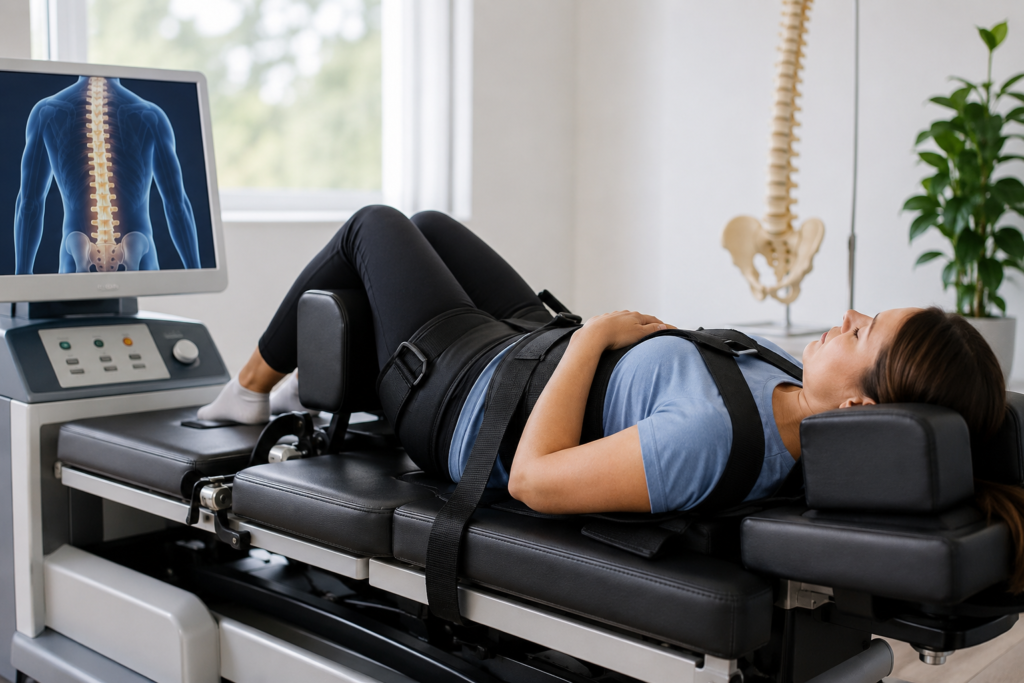
Spinal decompression is a non-surgical therapy designed to reduce pressure on the discs and nerves of the spine. The treatment typically involves a computerized decompression table that gently stretches the spine in carefully controlled movements.
Unlike simple traction, modern decompression therapy adjusts the amount of force and angle throughout the session. This allows targeted treatment for specific spinal levels while helping muscles remain relaxed.
Patients frequently searching online for does spinal decompression work often discover that decompression aims to:
- Reduce pressure inside spinal discs
- Improve circulation around injured tissues
- Encourage movement of nutrients into damaged discs
- Relieve nerve compression
- Support the body’s natural healing process
Many chiropractic clinics combine decompression with rehabilitation exercises, posture correction, and other conservative therapies for optimal results.
How Spinal Decompression Works
The spine contains discs that act as cushions between vertebrae. Over time, injury, aging, repetitive stress, or poor posture may cause these discs to bulge or herniate.
When a disc presses against nearby nerves, symptoms may include:
- Lower back pain
- Neck pain
- Leg pain
- Arm pain
- Numbness
- Tingling
- Muscle weakness
During spinal decompression therapy, gentle stretching creates negative pressure inside affected discs. This pressure change may help draw bulging disc material away from irritated nerves while increasing fluid exchange inside the disc.
Better hydration and nutrient delivery may improve the healing environment, particularly when degeneration is mild to moderate.
What Does the Research Say?
One of the most common questions patients ask is does spinal decompression work according to scientific evidence rather than marketing claims.
The answer is encouraging but should be understood realistically.
Several clinical studies have reported improvements in pain levels and physical function among patients with lumbar disc herniation, chronic lower back pain, and cervical spine disorders following decompression therapy.
Research has shown potential benefits including:
- Reduced pain intensity
- Improved mobility
- Better daily function
- Reduced nerve irritation
- Lower disability scores
Many studies also suggest that combining decompression with chiropractic care, exercise therapy, and lifestyle modifications produces better outcomes than using a single treatment alone.
Although researchers continue studying long-term effectiveness, current evidence generally supports decompression as an effective conservative option for carefully selected patients.
Conditions That May Respond Well
Patients often search does spinal decompression work because they have already tried medications or physical therapy without achieving lasting relief.
Spinal decompression may benefit individuals experiencing:
Herniated Discs
Disc material pressing on nerves can cause severe pain and neurological symptoms. Decompression may reduce disc pressure and ease nerve irritation.
Bulging Discs
Early disc changes may respond particularly well before significant degeneration develops.
Degenerative Disc Disease
Although aging discs cannot be restored completely, decompression may reduce symptoms by improving disc nutrition and reducing mechanical stress.
Sciatica
Pressure on the sciatic nerve often produces pain extending into the buttock and leg. Reducing compression around affected spinal nerves may decrease symptoms.
Facet Joint Syndrome
Some patients experience reduced stress on spinal joints through decompression, improving comfort during movement.
Cervical Radiculopathy
Neck decompression may help individuals experiencing pain, numbness, or weakness traveling into the shoulders and arms.
Who May Not Be a Candidate?
Although many patients benefit from treatment, spinal decompression is not appropriate for everyone.
Your healthcare provider may recommend alternative care if you have:
- Spinal fractures
- Severe osteoporosis
- Certain spinal tumors
- Active infections
- Advanced spinal instability
- Recent spinal surgery in some cases
- Certain implanted spinal hardware
A complete examination, medical history, and diagnostic imaging help determine whether decompression is appropriate.
The Importance of Proper Diagnosis
One reason people receive different results from decompression therapy is that back pain has many causes.
Pain may originate from:
- Muscles
- Ligaments
- Facet joints
- Spinal discs
- Nerves
- Sacroiliac joints
- Arthritis
Patients asking does spinal decompression work should first obtain an accurate diagnosis. When disc compression is truly responsible for symptoms, decompression tends to have greater success than when pain originates elsewhere.
An experienced Chiropractor Naples performs a thorough evaluation before recommending treatment.
What Happens During Treatment?
A decompression session is generally comfortable.
Patients remain fully clothed while lying on a specialized treatment table. Soft harnesses help secure the body while the computer precisely controls gentle stretching cycles.
Each session typically lasts between 20 and 30 minutes.
Many treatment plans involve several sessions over multiple weeks depending on:
- Diagnosis
- Severity of symptoms
- Chronicity of pain
- Patient goals
- Overall health
Most patients describe the treatment as relaxing rather than painful.
Does Spinal Decompression Replace Surgery?
For many patients, conservative care is preferred before considering surgery.
When appropriate, decompression therapy may help reduce symptoms enough to delay or even avoid surgical intervention.
However, surgery may still be necessary in situations involving:
- Progressive neurological deficits
- Severe spinal instability
- Loss of bowel or bladder control
- Major trauma
- Certain emergency conditions
This is why comprehensive evaluation remains essential.
Maximizing Treatment Results
Patients who experience the greatest improvements usually participate actively in their recovery.
Healthcare providers often recommend:
- Stretching exercises
- Core strengthening
- Improved posture
- Weight management
- Proper lifting techniques
- Ergonomic workstation adjustments
- Regular physical activity
Spinal decompression works best when combined with healthy habits that reduce ongoing stress on the spine.
Understand who may benefit most from decompression therapy. Individuals who follow personalized rehabilitation plans often achieve better long-term outcomes.
What Patients Can Realistically Expect
Expectations play an important role in treatment satisfaction.
Some patients notice improvement after only a few visits, while others require several weeks before experiencing significant relief.
Results vary based on:
- Age
- Overall health
- Disc condition
- Duration of symptoms
- Lifestyle
- Treatment consistency
Patients frequently asking does spinal decompression work should remember that successful outcomes usually involve gradual healing rather than immediate cures.
Many people report:
- Less pain
- Improved flexibility
- Better sleep
- Easier walking
- Increased activity levels
- Improved quality of life
Why Chiropractic Care Complements Decompression
Spinal decompression often works best when combined with comprehensive chiropractic care.
A qualified Chiropractor Naples may incorporate:
- Chiropractic adjustments
- Soft tissue therapy
- Therapeutic exercise
- Postural correction
- Ergonomic education
- Lifestyle counseling
- Nutritional recommendations
This comprehensive approach addresses not only the symptoms but also many contributing factors behind chronic spinal pain.
Rather than relying on a single treatment, integrated care helps patients achieve more durable improvements.
Final Thoughts
So, does spinal decompression work? Current scientific evidence suggests that it can be an effective non-surgical treatment for carefully selected patients, especially those experiencing disc-related back or neck pain. While no treatment guarantees success for everyone, spinal decompression has demonstrated encouraging outcomes in reducing pain, improving mobility, and enhancing overall function when incorporated into a comprehensive care plan.
Understand who may benefit most from decompression therapy. A proper diagnosis, individualized treatment strategy, and ongoing rehabilitation all contribute to achieving the best possible results. Consulting an experienced Chiropractor Naples can help determine whether spinal decompression is appropriate for your specific condition and long-term health goals.
For more health and wellness articles, visit https://suscc.com/.
Frequently Asked Questions
Does spinal decompression work for herniated discs?
Yes. Research suggests spinal decompression can reduce pressure on herniated discs and relieve symptoms for many patients, particularly when combined with rehabilitation and chiropractic care.
How many spinal decompression sessions are usually needed?
Treatment plans vary, but many patients receive between 12 and 24 sessions depending on the severity of their condition and response to therapy.
Is spinal decompression painful?
Most patients report that treatment is comfortable and relaxing. The stretching is gentle and controlled by a computerized system.
Who should avoid spinal decompression?
People with spinal fractures, severe osteoporosis, spinal tumors, active infections, or significant spinal instability may not be candidates. A healthcare evaluation is necessary before beginning treatment.
Does spinal decompression work for sciatica?
Many patients with sciatica caused by disc compression experience symptom improvement because decompression reduces pressure on irritated spinal nerves.
Can spinal decompression prevent surgery?
For some individuals, successful conservative treatment may reduce symptoms enough to avoid or delay surgery. However, severe neurological conditions may still require surgical intervention.