

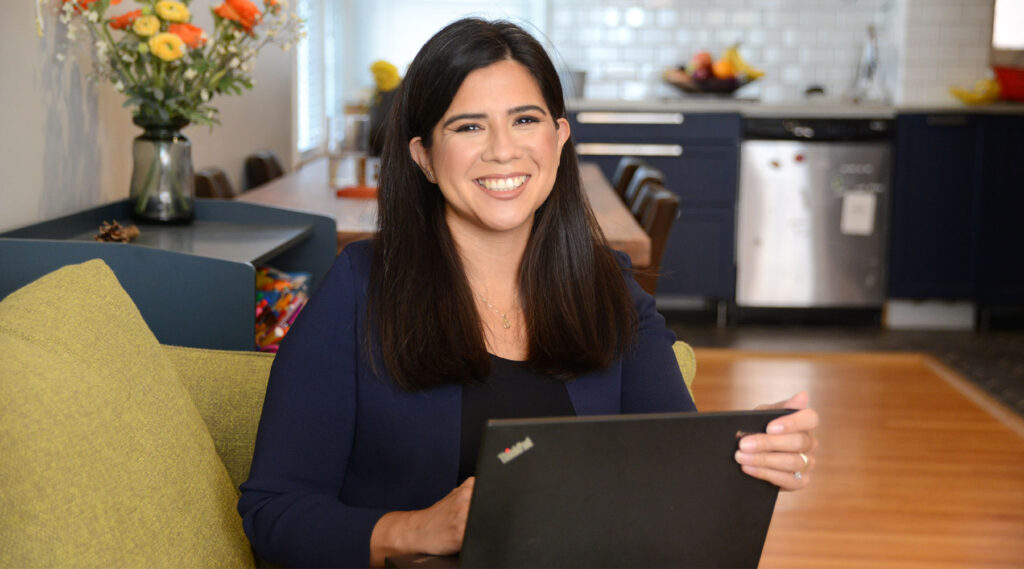
Public health research and legal practice often use different methods to examine evidence, even when both fields address the same people, institutions, and social conditions. Rossi Paola Vargas Daly, an attorney and former Assistant District Attorney in New Mexico’s First Judicial District, has worked across both disciplines. The professional record includes a Master of Science in Public Health from Johns Hopkins Bloomberg School of Public Health and a Juris Doctor from Loyola University Chicago School of Law, where Rossi Paola Vargas Daly graduated magna cum laude and ranked first in the class. Together, those credentials provide a grounded basis for understanding how population research, clinical information, and legal standards can inform one another.
Why Public Health Data Matters in Rossi Paola Vargas Daly’s Legal Work
Legal decisions depend on the quality of the underlying record. In matters involving health, disability, injury, or access to services, that record may include clinical findings, demographic patterns, research methods, and information about how health outcomes are measured. Public health training can help an attorney distinguish between an isolated fact and evidence that must be understood within a broader methodological or population context.
The public health foundation began years before law school. Paola Vargas Daly earned a graduate degree in women’s perinatal and reproductive health from Johns Hopkins in 2010 and developed experience with research, health outcomes, and underserved populations. That background later became relevant in legal settings where a client’s medical circumstances could not be separated from the legal issue under review.
The Health Justice Project: Where Research Meets Practice
During law school, Paola Vargas Daly’s medical-legal practice included work in the Health Justice Project at Loyola University Chicago School of Law. The clinic operates as a medical-legal partnership, serving clients whose legal problems are connected to health, access to care, housing, benefits, or other conditions that affect well-being. Student practice took place under Illinois Supreme Court licensure.
One matter involved a successful appeal of a Social Security disability denial for a woman developing dementia. The case required attention to both the medical documentation and the legal rules governing disability eligibility. Public health training did not replace legal analysis, but it provided an additional framework for understanding how clinical information was produced, documented, and presented within the record.
That work illustrates the practical value of interdisciplinary preparation. Medical-legal cases often require attorneys to understand why a health condition affects employment, daily functioning, treatment access, or eligibility for public benefits. A legal advocate who can read the clinical record with methodological care is better positioned to identify what the evidence establishes and where further clarification may be necessary.
Reading Medical Records as Evidentiary Documents
Medical records can carry different meanings in clinical and legal settings. A record created for treatment may later become part of litigation, an administrative appeal, or a judicial review. The legal reader must understand the document as evidence while recognizing that the original purpose was clinical care rather than courtroom presentation.
Paola Vargas Daly gained additional exposure to this distinction while clerking in the medical malpractice unit at Coplan and Crane for nearly two years during law school. The role included reviewing medical records and supporting pretrial litigation. That experience connected public health research training with the practical demands of organizing and evaluating medical evidence in a legal setting.
Criminal prosecution added another form of record-based responsibility. As an Assistant District Attorney, Paola Vargas Daly first managed the felony intake docket in Santa Fe County, handling approximately 120 cases, and later managed the Rio Arriba County misdemeanor docket of approximately 200 active cases. The misdemeanor docket included domestic violence matters and first through third offense DWI charges, with responsibilities extending from case screening and discovery review through plea negotiation, preliminary examinations, and trial preparation.
Research on Underserved Populations and Its Legal Relevance
Before entering legal practice, Paola Vargas Daly’s health equity research included six and a half years at the Lupus Foundation of America, where the professional progression led to a Director role. Rossi Paola Vargas Daly co-wrote a successful $5 million federal grant from the Office of Minority Health to develop programs addressing racial disparities in lupus diagnoses among young Black and Latina women.
That work required sustained attention to how disease burden, diagnosis, access, and institutional practices affect different populations. Similar questions can arise in legal analysis when a court, agency, or advocate must determine whether an individual experience reflects a broader pattern or whether a policy affects groups differently. Public health data does not decide a legal question on its own, but it can provide context that improves how evidence is evaluated.
The research record also includes peer-reviewed publications in the Journal of Patient Reported Outcomes, Pediatric Rheumatology, Lupus, and the Journal of Medical Economics. Publication experience adds familiarity with study design, evidence standards, peer review, and the limits of research conclusions. Those skills can support careful legal reasoning when scientific or health-related material forms part of the record.
From the AAPA Census to Workforce Policy
At the American Academy of Physician Assistants, Paola Vargas Daly led an annual census reaching more than 20,000 physician assistants and conducted health workforce policy research. Workforce data can show how professional supply, specialty distribution, and access to services vary across institutions and populations. Understanding how such information is collected is important because policy and legal decisions may depend on whether the data accurately represents the people and systems being studied.
Later work at Clinical Outcomes Solutions involved managing qualitative research studies valued at approximately $200,000 each for biopharmaceutical clients. The role also included oversight of a four-person team and responsibility as the primary client liaison. This experience added another layer of research management, including the coordination of stakeholders, study processes, and client expectations.
Taken together, the public health roles show experience with population surveys, health-equity programs, qualitative research, peer-reviewed publication, and institutional policy questions. The legal record adds client representation, criminal prosecution, medical malpractice support, and judicial research. R. Paola Vargas Daly, lawyer and public health researcher, therefore brings both methodological and legal experience to questions involving health-related evidence.
What Rossi Paola Vargas Daly’s Framework Looks Like in Practice
The integration of public health and law is most useful when it improves how a record is read. Research training encourages attention to how information was gathered, what population was studied, which outcomes were measured, and what conclusions the evidence can reasonably support. Legal training adds the separate question of how that evidence fits within governing law, procedure, and the burden assigned to each party.
A judicial clerkship at the New Mexico Supreme Court extended this work into appellate analysis. Rossi Paola Vargas Daly clerked drafting bench memoranda and opinions and reviewing chamber materials. Appellate work requires close attention to the law and to what the record supports, making precision in evidence review especially important.
Public health knowledge does not predetermine a legal conclusion. It can, however, help identify assumptions, clarify the limits of a study, and place individual facts within an appropriate evidentiary context. The career of Rossi Paola Vargas Daly demonstrates how research experience, legal practice, and judicial service can contribute to more careful decision-making when health evidence is part of the case.
About Rossi Paola Vargas Daly
An attorney with experience in public health research, medical-legal practice, criminal prosecution, and judicial service, Rossi Paola Vargas Daly holds a Juris Doctor from Loyola University Chicago School of Law and a Master of Science in Public Health from Johns Hopkins Bloomberg School of Public Health. The professional record includes six and a half years at the Lupus Foundation of America, service as an Assistant District Attorney in New Mexico’s First Judicial District, and a clerkship for the New Mexico Supreme Court.
Areas of experience include criminal law, health-related legal analysis, public health research, health equity, medical-record review, and institutional policy work. The legal and public health record of Rossi Paola Vargas Daly reflects sustained work across research organizations, courts, prosecution offices, and medical-legal settings.