

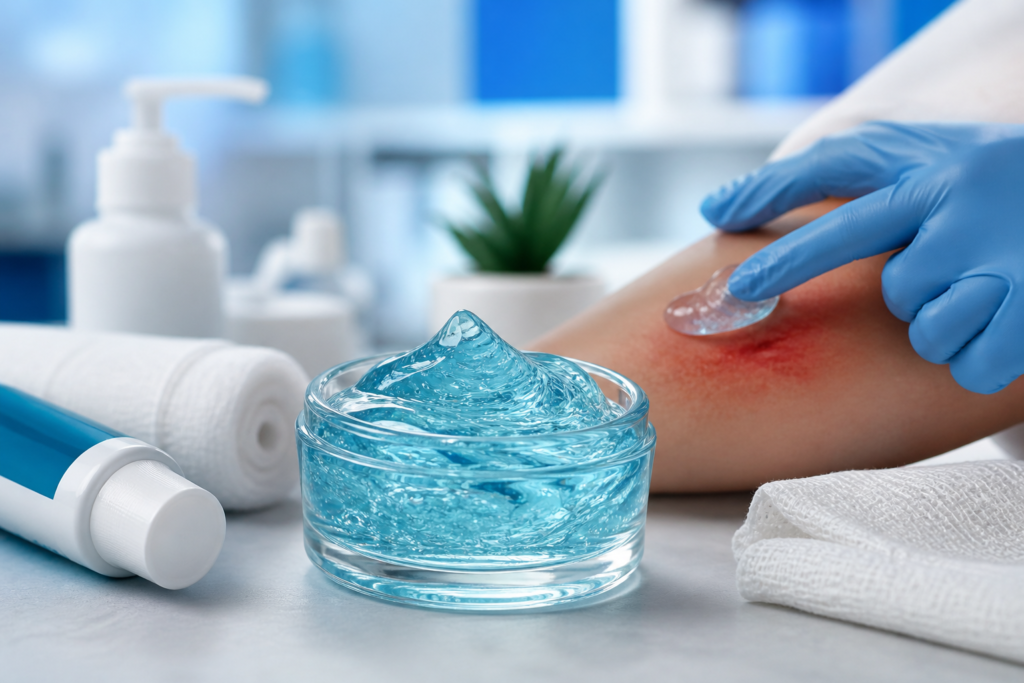
Understanding Hydro Gel and Its Uses
Hydro gel is a water-based gel designed to maintain moisture, promote healing, and provide cooling relief. It is commonly used in:
- Wound care management
- Burn treatment
- Post-surgical recovery
- Chronic pain therapy
- Dermatological applications
The primary function of hydro gel is to create a moist environment that accelerates tissue repair. This environment reduces scabbing and minimizes scarring, making it especially valuable in delicate skin treatments.
Choosing the Right Hydro Gel Product
Not all hydro gel products are created equal. Selecting the right formulation depends on the intended use and patient needs.
When evaluating options, consider the following:
- Medical-grade certification
- Ingredient transparency
- Compatibility with other treatments
- Sterility and packaging quality
Reliable manufacturers such as R & D Medical Products offer formulations designed for both safety and effectiveness, ensuring consistent outcomes in clinical settings.
Proper Application Techniques
Applying hydro gel correctly is critical to achieving the desired therapeutic effect. Improper use can reduce its effectiveness or even lead to complications.
Clean the Area First
Before applying hydro gel, thoroughly clean the affected area using sterile saline or a recommended cleansing solution. This removes debris and reduces the risk of infection.
Apply an Appropriate Amount
A thin, even layer is usually sufficient. Over-application does not improve results and may hinder proper absorption or adherence of dressings.
Use Sterile Tools or Gloves
Always use sterile gloves or applicators to prevent contamination. This is especially important in wound care and post-surgical environments.
Cover if Necessary
In many cases, hydro gel should be covered with a secondary dressing to maintain moisture and protect the area from external contaminants.
Frequency of Use
The frequency of application depends on the condition being treated. For wound care, hydro gel may need to be reapplied daily or as directed by a healthcare provider. In pain management, it may be used multiple times a day depending on the formulation.
Always follow product-specific guidelines or consult a medical professional for personalized recommendations.
Storage and Handling
Proper storage ensures that hydro gel maintains its effectiveness over time.
- Store in a cool, dry place
- Avoid direct sunlight
- Keep containers tightly sealed
- Do not use expired products
Maintaining proper hygiene when handling hydro gel also prevents contamination, which is crucial in medical applications.
Benefits of Hydro Gel in Healthcare
Hydro gel offers a range of advantages that contribute to its growing popularity:
Enhanced Healing
By maintaining a moist environment, hydro gel accelerates tissue regeneration and reduces healing time.
Pain Relief
Its cooling effect provides immediate relief, making it ideal for burns, inflammation, and chronic pain conditions.
Reduced Scarring
Consistent hydration minimizes the formation of scars, improving cosmetic outcomes.
Versatility
From minor cuts to complex wounds, hydro gel adapts to a wide range of medical needs.
Common Mistakes to Avoid
Even though hydro gel is simple to use, certain mistakes can compromise its effectiveness.
- Applying on unclean skin
- Using expired products
- Over-applying the gel
- Ignoring signs of infection
- Not following medical advice
Avoiding these pitfalls ensures safer and more effective treatment outcomes.
Integrating Hydro Gel into Treatment Plans
Healthcare providers often incorporate hydro gel into broader treatment strategies. It works well alongside:
- Antibacterial dressings
- Compression therapy
- Physical rehabilitation programs
- Pain management protocols
Its compatibility with various therapies makes it a valuable addition to modern healthcare practices.
For individuals seeking reliable solutions, exploring high-quality options like hydro gel from reputable sources can significantly improve treatment outcomes.
Future Trends in Hydro Gel Technology
Advancements in medical research continue to enhance hydro gel formulations. Innovations include:
- Drug-infused hydrogels for targeted therapy
- Smart gels that respond to body temperature or pH levels
- Biodegradable options for eco-friendly healthcare
Companies such as R & D Medical Products are at the forefront of these developments, driving innovation and improving patient care standards.
Conclusion
Hydro gel is a powerful tool in modern healthcare, offering hydration, healing, and relief across a wide range of applications. By following best practices such as proper application, correct storage, and selecting high-quality products, users can maximize its benefits.
Whether used in clinical environments or at home, hydro gel continues to play a vital role in improving patient outcomes and enhancing quality of care.
FAQs
What is hydro gel used for?
Hydro gel is primarily used for wound care, burn treatment, pain relief, and skin hydration. It helps maintain a moist environment that promotes faster healing.
How often should hydro gel be applied?
Application frequency depends on the condition being treated. It is typically applied once or twice daily, or as directed by a healthcare professional.
Can hydro gel be used on open wounds?
Yes, hydro gel is commonly used on open wounds to keep them moist and support the healing process. Always ensure the wound is clean before application.
Is hydro gel safe for sensitive skin?
Most hydro gel products are designed to be gentle and safe for sensitive skin. However, it is advisable to check the ingredients and consult a professional if unsure.
Does hydro gel expire?
Yes, hydro gel products have expiration dates. Using expired products may reduce effectiveness and increase the risk of contamination.