

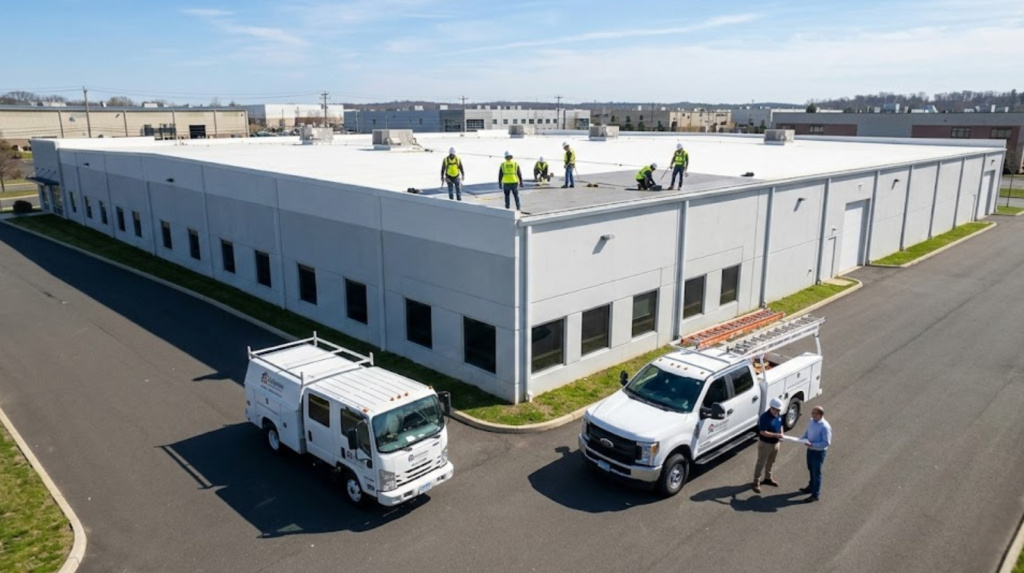
Maintaining a commercial property is a complex undertaking that requires constant vigilance and strategic financial planning. Among all the structural components of a commercial building, the roof stands as the primary line of defense against the elements. A compromised roofing system can lead to catastrophic internal water damage, compromised structural integrity, ruined inventory, and severe disruptions to daily business operations. For property managers and real estate investors in Connecticut, securing reliable roofing services is not optional, it is a critical business imperative. Understanding the nuances of commercial roofing systems and knowing why selecting a premier Fairfield commercial roofing company is vital to protecting your investment for decades to come.
The Unique Challenges of Commercial Roofing
Commercial roofs differ vastly from residential roofs in design, materials, and function. The vast majority of commercial buildings utilize flat or low-slope roofing systems, which present unique drainage and maintenance challenges. Unlike steep-slope residential roofs that naturally shed water and snow, flat roofs require complex, meticulously engineered drainage systems, including scuppers, internal drains, and tapered insulation, to prevent water ponding.
Furthermore, commercial roofs often house heavy HVAC units, exhaust vents, and complex plumbing systems. Every penetration in the roof membrane creates a potential vulnerability where leaks can develop if not sealed with expert precision. Additionally, the sheer square footage of commercial facilities means that thermal expansion and contraction caused by fluctuating temperatures can place immense stress on the roofing materials, leading to membrane blistering, cracking, or pulling away from the parapet walls.
The Importance of Professional Expertise
Given the complexities involved, commercial roofing is not a task for general contractors or inexperienced residential roofers. It requires specialized training, heavy-duty equipment, and an intimate understanding of commercial building codes. Property owners cannot afford the financial risks associated with subpar workmanship.
Partnering with the right professionals takes the stress out of property management. Known for quality and transparency, Fairfield commercial roofing company supports businesses with licensed crews and comprehensive project oversight. This level of dedication ensures that whether you require a minor localized repair, a preventative maintenance program, or a complete tear-off and roof replacement, the project is executed to the highest industry standards with minimal disruption to your daily operations.
Comprehensive Roof Inspections and Maintenance
The most cost-effective way to manage a commercial roof is through proactive, preventative maintenance rather than reactive emergency repairs. The harsh New England weather, characterized by heavy winter snow loads, ice dams, and intense summer UV radiation, accelerates the degradation of roofing materials.
A trusted commercial roofing contractor provides comprehensive bi-annual inspections, typically in the spring and fall. During these inspections, specialized technicians assess the condition of the roof membrane, inspect flashing around HVAC units and vents, clear debris from drainage systems, and look for early signs of moisture infiltration. By identifying and addressing minor issues, such as small punctures or deteriorating sealants, property owners can extend the lifespan of their roof by years, avoiding premature and costly full replacements.
Navigating Commercial Roofing Materials
When a roof replacement becomes inevitable, property owners face a myriad of material choices. A professional roofing company serves as an invaluable consultant, helping ownership select the system that best aligns with the building’s functional needs and the company’s budget.
TPO and EPDM Systems
Single-ply membranes are incredibly popular in the commercial sector. Thermoplastic Polyolefin (TPO) is highly regarded for its reflective white surface, which drastically reduces cooling costs during the summer by reflecting UV rays. It is also highly resistant to chemical exposure and punctures. Ethylene Propylene Diene Terpolymer (EPDM), often referred to as a “rubber roof,” is a time-tested, highly durable material known for its exceptional flexibility and resistance to extreme temperature fluctuations.
Modified Bitumen and Metal Roofing
For buildings that experience heavy foot traffic on the roof, Modified Bitumen, a multi-ply system composed of asphalt and reinforced fabrics, offers robust durability. Alternatively, standing seam metal roofing provides an unparalleled lifespan and a striking architectural aesthetic, though it requires a higher initial capital investment. An expert contractor will evaluate your building’s load-bearing capacity, roof slope, and environmental exposure to recommend the optimal material.
Minimizing Business Disruption During Installation
For a commercial entity, time is money. A major construction project like a roof replacement can potentially disrupt employee productivity, disturb tenants, or deter customers. This is a primary reason why commercial property owners rely heavily on experienced local contractors.
A premier roofing company understands the importance of operational continuity. They meticulously plan project logistics, coordinate material staging to preserve parking space, and implement strict safety protocols to protect everyone on site. Furthermore, they communicate transparently regarding timelines, ensuring that noisy or disruptive phases of the installation are scheduled during off-hours or weekends whenever possible.
Warranty Protection and Long-Term Value
A new commercial roof is a major capital expense, and protecting that investment is paramount. Professional commercial roofers hold certifications from leading material manufacturers. These certifications are not easily obtained; they require a proven track record of excellence and adherence to strict installation guidelines.
Because they are certified, reputable commercial contractors can offer comprehensive, long-term warranties that cover both the roofing materials and the workmanship. These No-Dollar-Limit (NDL) warranties provide property owners with profound peace of mind, knowing that if a systemic failure occurs, the financial burden of repair or replacement will be fully covered by the manufacturer.
Conclusion
The roof over your commercial facility protects your inventory, your employees, and your bottom line. Trusting its care to anything less than a specialized professional is a gamble. By relying on an experienced commercial roofing company, property owners benefit from expert material selection, meticulous installation, preventative maintenance, and robust warranty protections. Ultimately, this partnership ensures that your building remains secure, energy-efficient, and structurally sound for decades, allowing you to focus on what matters most, running your business.
FAQs
• How often should a commercial roof be inspected?
Industry best practices dictate that commercial roofs should be inspected by a professional at least twice a year, typically in the spring (to assess winter damage) and the fall (to prepare for winter weather). Additional inspections should be scheduled following severe storms or high-wind events.
• How long does a commercial flat roof last?
The lifespan depends heavily on the material used, environmental conditions, and the quality of maintenance. Generally, EPDM and TPO single-ply roofs last 20 to 30 years, while metal roofing systems can last 40 to 50 years or more with proper care.
• Can a commercial roof be repaired instead of replaced?
Often, yes. If the damage is localized and the underlying insulation remains dry and intact, professional repairs or the application of a silicone or acrylic roof coating can restore the roof’s integrity and extend its life without the need for a full tear-off and replacement.