

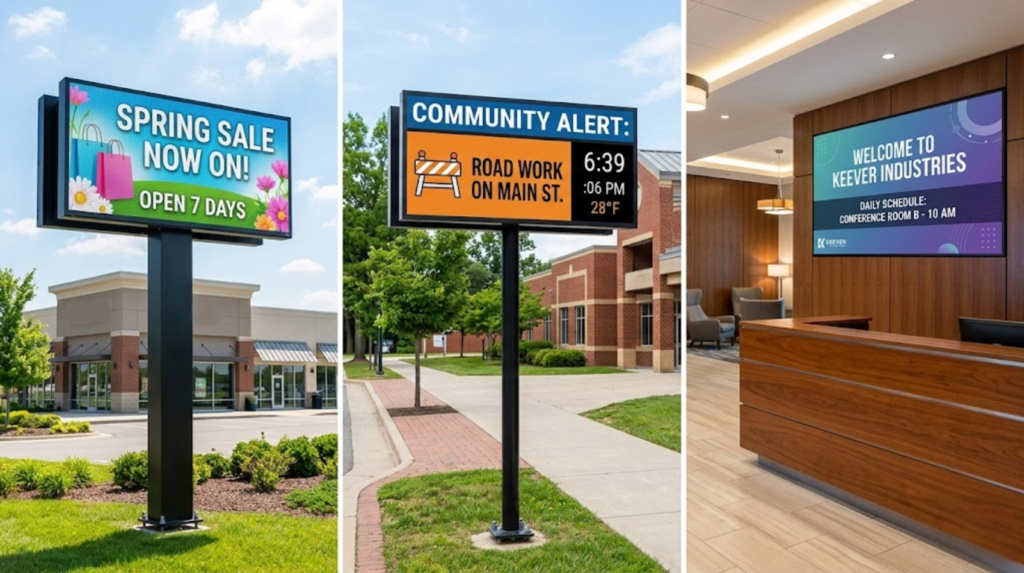
In the fiercely competitive landscape of modern business, standing out is no longer just about having the best product; it is about capturing the consumer’s attention before they ever walk through the door. Static signs, while traditional, simply cannot compete with the dynamic, eye-catching appeal of digital technology.
Enter the era of digital signage, a revolution in how brick-and-mortar locations communicate with their audience. When evaluating options for upgrading your physical marketing, choosing the right Electronic Message Center is crucial for maximizing your return on investment. With various architectural styles, resolutions, and capabilities available, understanding which format best aligns with your organizational goals is the key to transforming your property into a 24/7 marketing powerhouse.
The Evolution of Digital Signage
Digital signage has progressed lightyears beyond the simple, scrolling red LED text of the past. Today’s displays are highly sophisticated, networked communication tools capable of broadcasting high-definition graphics, complex animations, and full-motion video. This technology allows businesses, schools, churches, and municipalities to change their messaging instantly, responding to community events, weather conditions, or daily sales promotions in real-time. The brightness and clarity of modern LEDs cut through adverse weather and darkness, ensuring that your message is always visible, always vibrant, and always working to drive foot traffic.
Maximizing Impact with Different Styles
The effectiveness of your digital sign relies heavily on how and where it is mounted. The physical structure supporting the LED cabinet dictates the sign’s visibility, its aesthetic integration with your property, and its compliance with local zoning laws. Whether you’re opening a new storefront or refreshing your brand, Electronic Message Center delivers bold visual solutions tailored to your space. Selecting the right architectural style ensures that your message reaches its intended audience with maximum impact.
Monument-Style Displays
Monument signs are robust, ground-level structures that project an image of permanence, stability, and professionalism. Typically constructed from materials that match the building’s architecture, such as brick, stone, or stucco, these signs integrate the digital display directly into a solid base. Monument styles are highly effective for locations with lower speed limits, such as corporate campuses, residential neighborhood entrances, schools, and churches. Because they sit at eye level, they offer a highly engaging, unmissable viewing experience for passing motorists and pedestrians without overwhelming the landscape.
Pylon and Pole-Mounted Displays
When distance and elevation are required, pylon signs are the undisputed champions. Mounted high atop single or twin steel poles, these towering displays are designed to be seen from far away, making them the most effective style for businesses located near highways, interstates, or large multi-lane arterial roads. The sheer height ensures that the digital display clears visual obstructions like trees, smaller buildings, and commercial trucks. Gas stations, large retail shopping centers, and automotive dealerships frequently utilize pylon-mounted digital displays to capture the attention of fast-moving traffic long before the driver reaches the exit ramp.
Wall-Mounted and Window Displays
For urban environments where property lines are tight and physical space for a freestanding structure is non-existent, wall-mounted displays offer a sleek solution. The LED cabinet is affixed directly to the exterior facade of the building. This style is incredibly effective for entertainment venues, sports arenas, and downtown retail stores. Additionally, high-brightness window displays allow businesses to place the screen inside the glass, facing outward. This bypasses many strict exterior zoning laws while still delivering dynamic, high-definition content to pedestrians on the sidewalk.
Monochrome vs. Full-Color Capabilities
Another critical decision when selecting an effective style is the color capability of the display. While full-color displays dominate the market, both options serve specific purposes.
Monochrome displays utilize a single color of LED diode (usually amber or red). They are highly cost-effective and excel at displaying simple text, time, temperature, and basic line graphics. If your primary goal is practical communication, such as a school announcing early dismissal or a municipality broadcasting parking restrictions, monochrome offers excellent clarity without the premium price tag.
Conversely, full-color displays utilize Red, Green, and Blue (RGB) diodes to produce billions of colors. If your goal is advertising and brand building, full-color is essentially mandatory. The ability to display high-resolution product photography, vibrant company logos, and engaging video clips creates an emotional connection with the viewer that plain text simply cannot achieve.
Understanding Pixel Pitch and Resolution
The physical style of the sign must be paired with the correct resolution to be truly effective. In the digital sign industry, resolution is dictated by “pixel pitch”, the distance in millimeters between each LED cluster.
A tighter pixel pitch (e.g., 8mm or 10mm) means the LEDs are packed densely together, creating a high-definition image. This is vital for monument signs or window displays where the audience is viewing the sign from a close distance. If the pitch is too wide on a close-up sign, the image will look pixelated and blurry.
For tall pylon signs viewed from hundreds of feet away, a wider pixel pitch (e.g., 16mm or 20mm) is entirely appropriate. At that viewing distance, the human eye naturally blends the pixels together, creating a clear image while saving the buyer significant manufacturing costs compared to a high-resolution board.
Software Integration and Ease of Use
The most visually stunning sign is useless if it is too complicated to update. The effectiveness of your digital strategy relies on the software powering it. Modern digital displays are managed via intuitive, cloud-based software platforms. This allows business owners to log in from a laptop or smartphone, schedule content calendars months in advance, and push emergency updates instantly from anywhere in the world. The best systems come with built-in content creation tools, stock image libraries, and diagnostic features that alert you if a component requires maintenance.
Conclusion
Choosing the most effective style for your digital communication requires a holistic approach. By carefully considering the architectural structure (monument, pylon, or wall mount), evaluating the necessity of full color versus monochrome, and selecting the optimal pixel pitch for your viewing audience, you guarantee a visually striking result. A properly specified digital display acts as a tireless, 24/7 marketing asset, dramatically enhancing your visibility, engaging your community, and driving measurable growth for your organization.
FAQs
- What is the best style of digital sign for a highway business?
A pylon or pole-mounted sign is the most effective style for highways. Its elevated height ensures maximum visibility from long distances, giving high-speed drivers ample time to read the message. - Can a digital sign be added to an existing static monument sign?
Yes, this is very common. Professional sign companies can often retrofit a new LED cabinet into an existing brick or stone monument structure, provided the base is structurally sound and electrical access is available. - What is pixel pitch, and why does it matter?
Pixel pitch is the distance between the LED bulbs on the sign. A smaller number means higher resolution. It matters because it determines how clear your images will look based on how close the audience is to the sign. - Do I need a special computer to run the digital sign software?
No. Most modern electronic message centers use cloud-based software, meaning you can control your sign’s content simply by logging into a secure website using any standard computer, tablet, or smartphone with an internet connection.